
Deck Safety Checklist Every Homeowner Should Know
We recently completed a deck construction project for a homeowner in Martinez, and while the transformation was beautiful, one thing stood out the most: safety is just as important as style. During the build, we noticed several structural issues in the old deck—loose railings, weakened boards, and aging supports—problems many homeowners don’t realize they have until it’s too late.
A deck should be a place where families can relax, entertain, and enjoy the outdoors with complete peace of mind. But like any structure exposed to the elements, it requires proper upkeep and regular safety checks.
That’s why we’ve put together this essential Deck Safety Checklist—to help you identify potential hazards early and keep your outdoor space safe, sturdy, and enjoyable all year long.
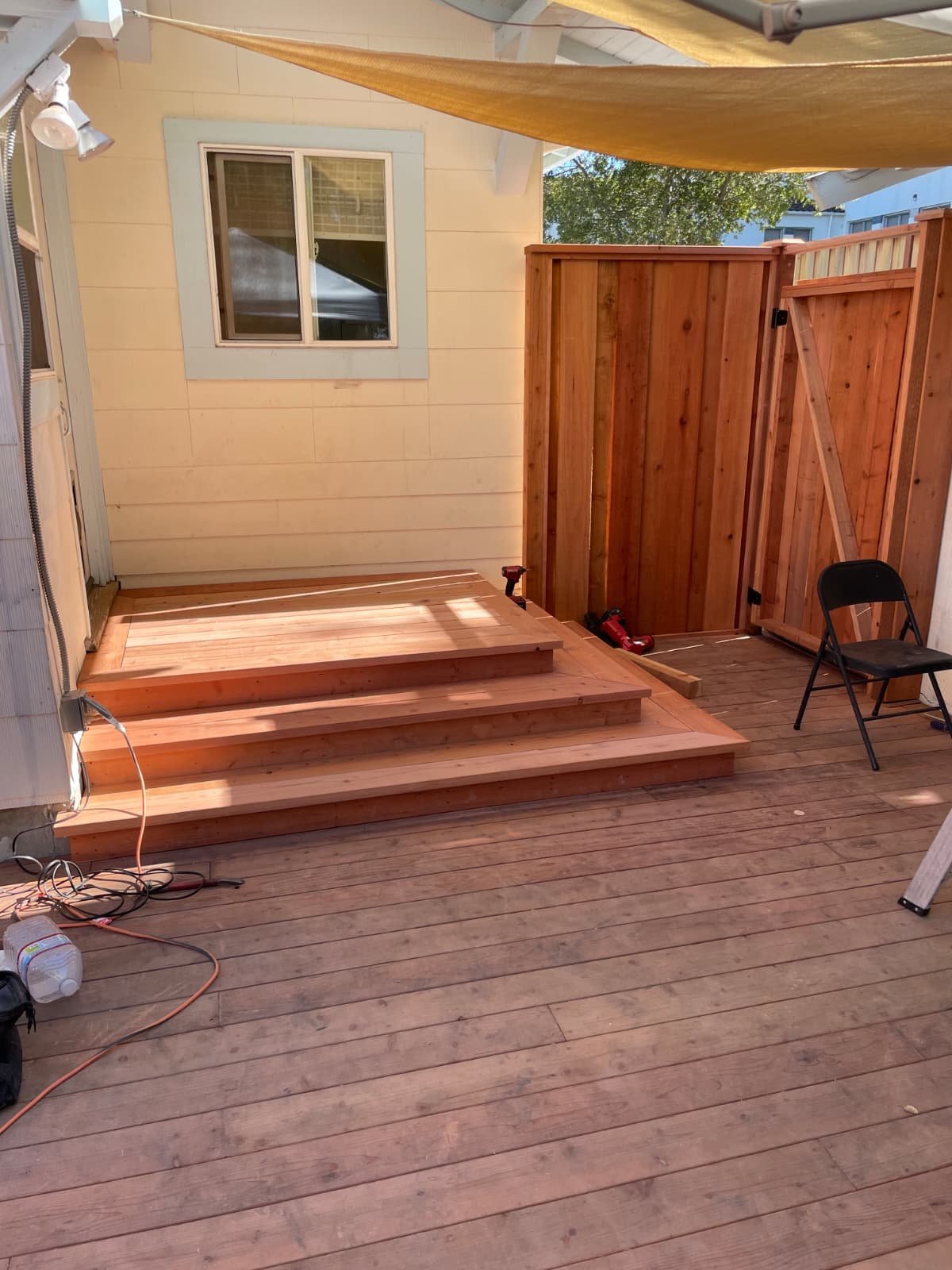
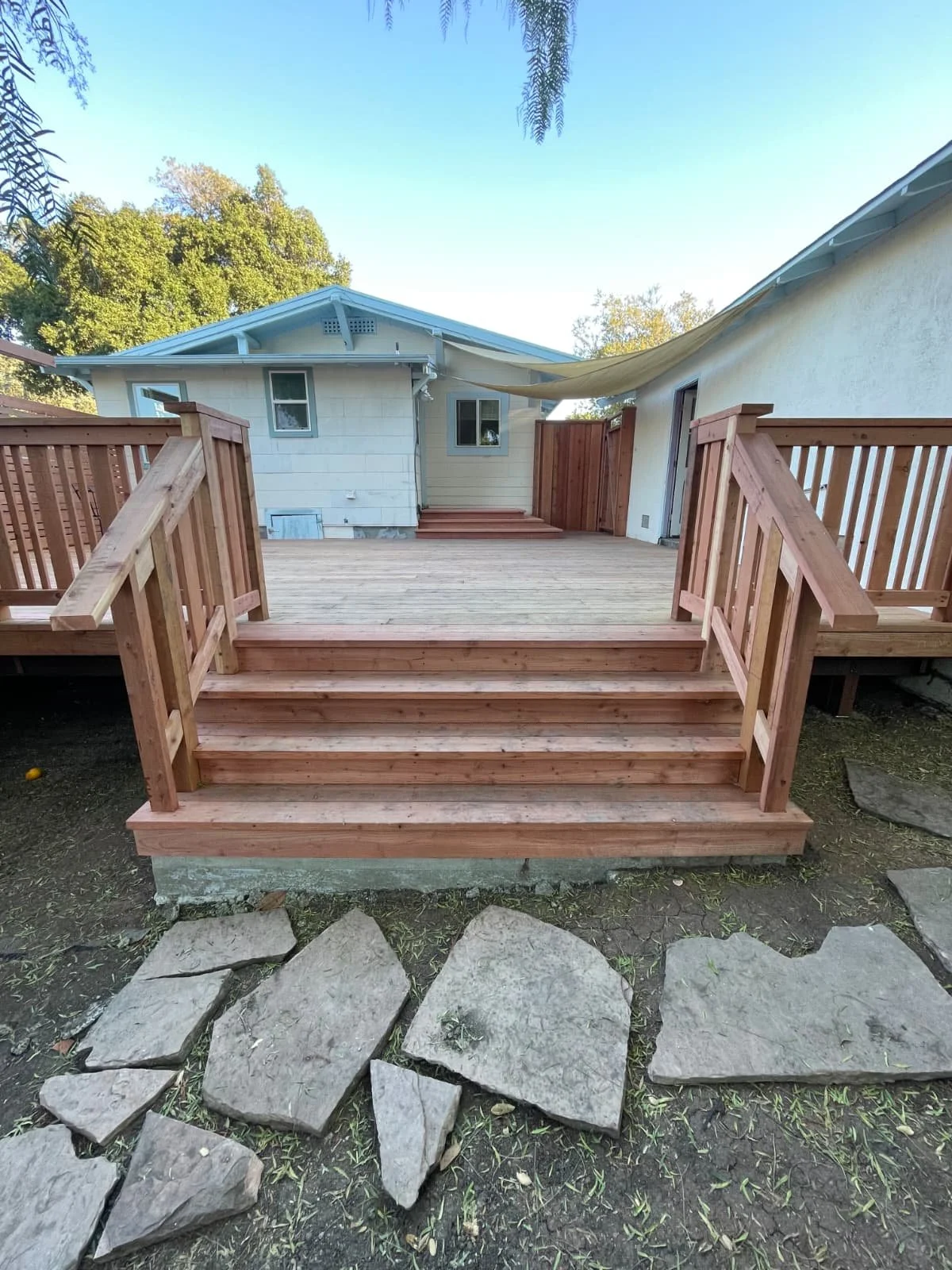
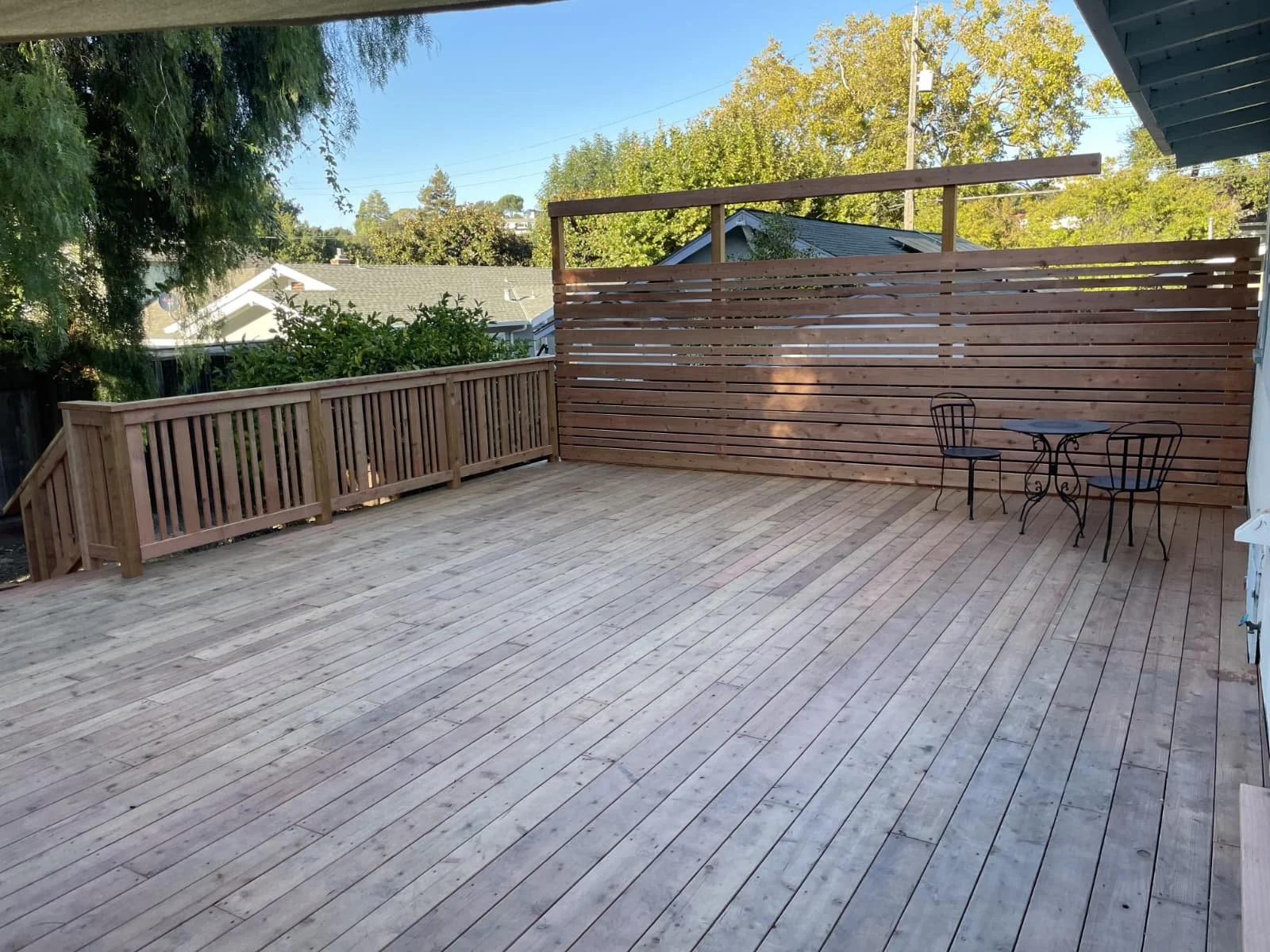
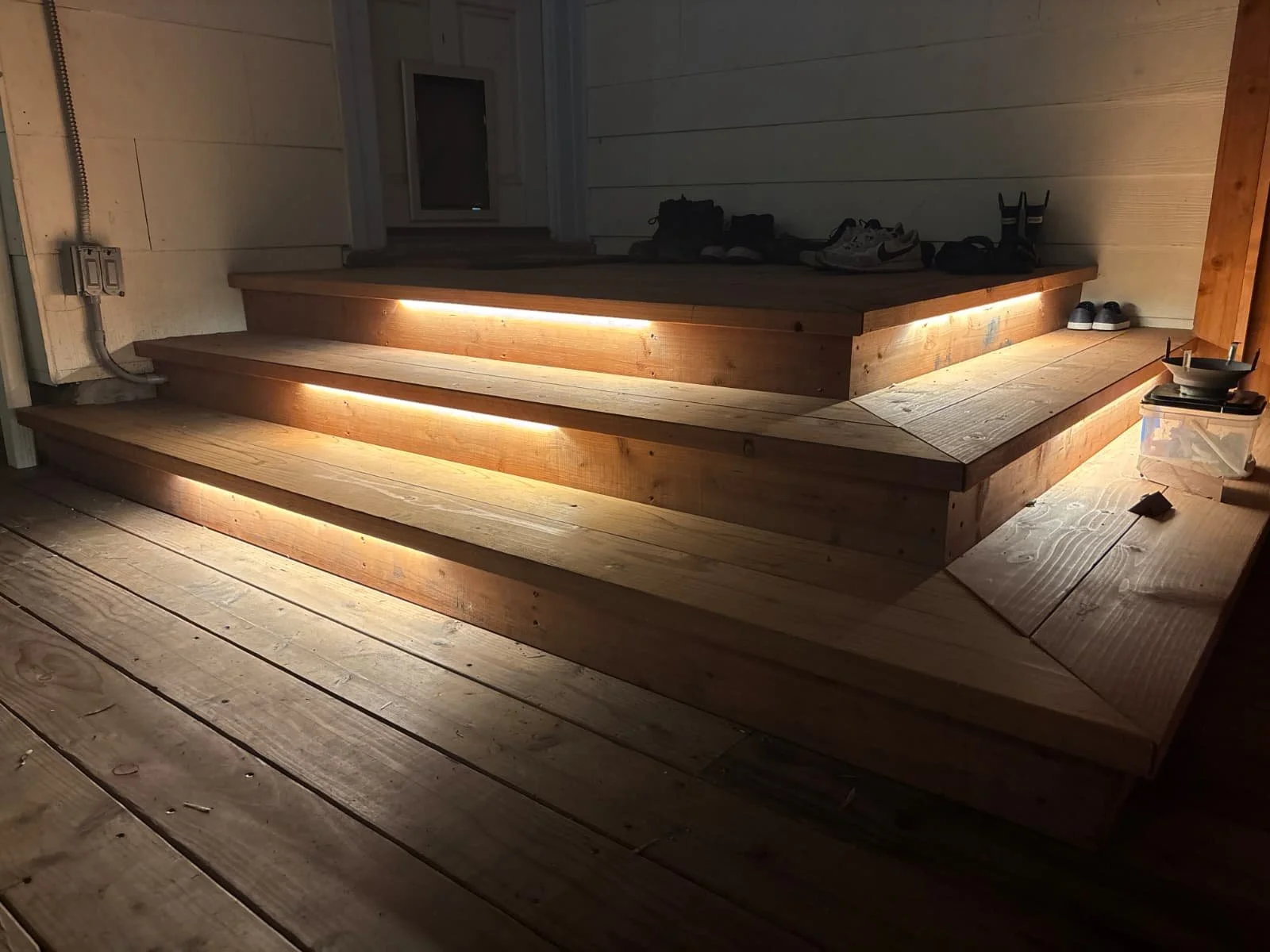
1. Inspect for Loose or Damaged Boards
Over time, boards can warp, crack, or rot—especially if exposed to moisture. Walk across your deck and look for:
Soft or spongy spots
Cracked planks
Warping or raised edges
Even small issues can quickly turn into tripping hazards or structural concerns.
2. Check the Stability of Railings
Railings are one of the most crucial safety features—especially if your deck is elevated. Test them by giving a gentle push:
Do they feel wobbly?
Are any screws or brackets rusted or loose?
Is the railing height still compliant with current safety codes?
If your railings move even slightly, it’s time for reinforcement or replacement.
3. Examine the Support Structure
Deck failures most commonly happen underneath—in the framing and footing.
Check for:
Rot around posts and beams
Rusted hardware
Insect damage
Soil erosion around footings
A deck can look perfect on the surface but have serious issues below.
4. Look for Mold, Mildew, and Moisture Damage
Moisture is a deck’s biggest enemy. It weakens wood, causes slick surfaces, and leads to long-term structural problems.
Signs of moisture damage include:
Dark stains
Spreading mildew
Soft wood fibers
A musty smell
Cleaning and sealing your deck can prevent this from worsening.
5. Test the Fasteners and Hardware
Nails and screws loosen over time, especially during hot, wet, or cold seasons.
Inspect:
Loose screws
Rusted nails
Corroded joist hangers
Deteriorated metal brackets
Replacing hardware may be a quick fix that saves your deck from bigger issues later.
6. Verify the Stair Safety
Deck stairs experience constant foot traffic and often loosen faster than the rest of the deck.
Check:
Loose steps
Uneven risers
Cracked treads
Wobbly handrails
Stairs should feel solid under every step.
7. Ensure Proper Lighting and Slip Resistance
Safety isn’t just about structure—it’s also about preventing slips and falls.
Consider:
Installing LED step lights
Adding anti-slip strips
Keeping the deck free from algae and debris
Good lighting is essential for evening gatherings and preventing missteps.
A well-built deck adds comfort, beauty, and value to your home—but a safe deck adds peace of mind. The Martinez deck project was a reminder that regular inspections, small repairs, and proper maintenance can extend the life of your deck and protect your family for years to come.
If you’re unsure about the condition of your deck—or you’d like a professional inspection or rebuild—Full Steam Ahead Construction & Plumbing is here to help.
